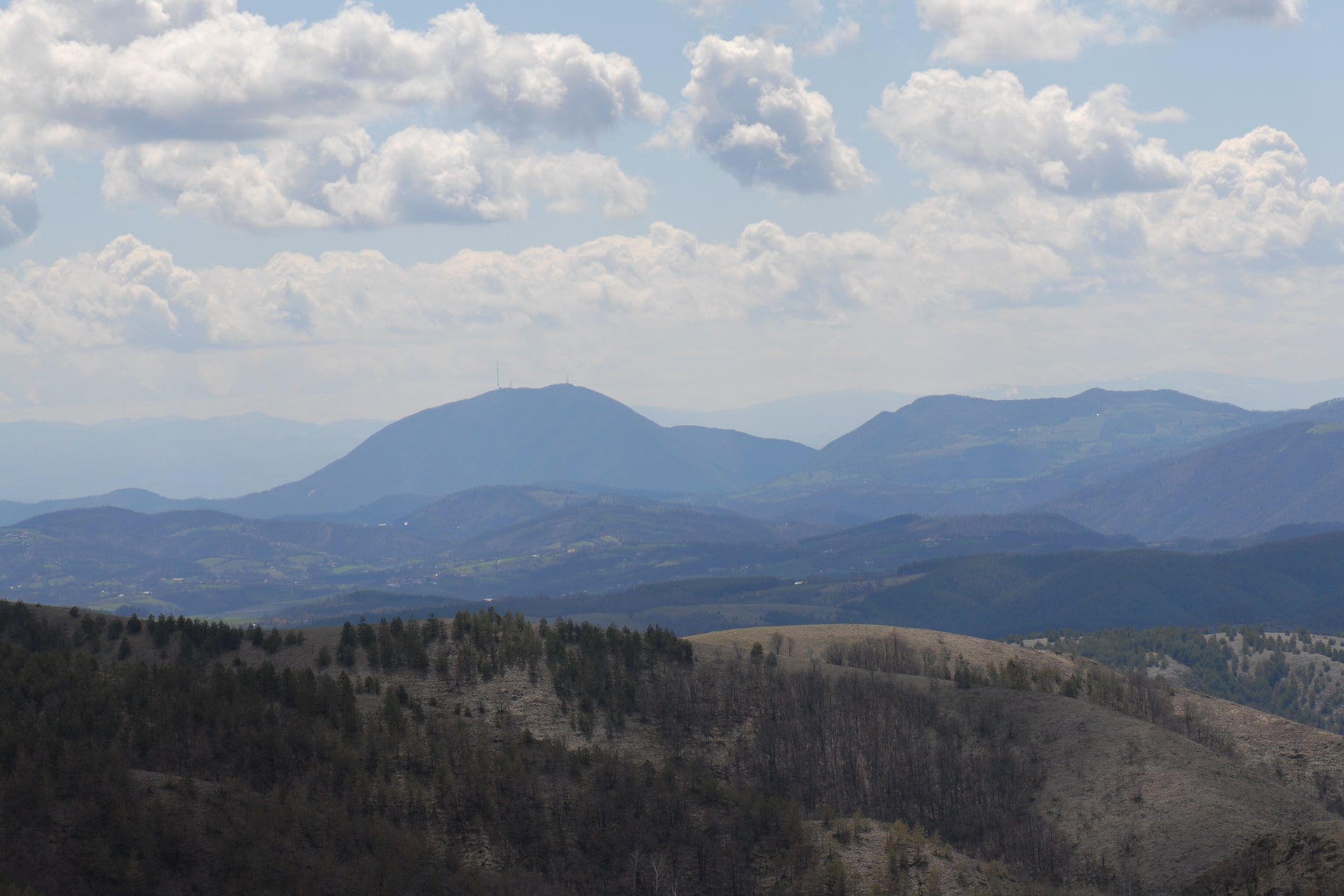


Ravna Gora is a hill located between Maljen and Bukovo in the west and Suvobor in the east. The history of this naturally rich area dates back to prehistory and the first traces of the Paleolithic humans in Šalitrena cave (Saltpetre cave) – one of the most significant archaeological sites of that epoch in Southeast Europe. It then continues to archaeological sites from bronze and iron ages, east borders settled by the tribes from Ilirija in the near vicinity of Suvobor, a quarry from Roman times (“Crveni izvor” site), traces of Medieval mining, fortresses and churches, Turkish name “Karadag” (Crna gora), “hajduk” villages during the Austrian rule in the XVIII century, the mass participation of local people in both Serbian uprisings under the command of Milić Drinčić from Teočin, all the way up to the sufferings and deaths of their descendants in the First and the Second World War. It should be pointed out that one of the most famous Serbian victories – the Battle of Kolubara (Suvobor) – was successfully finished and won precisely on the slopes of Suvobor – which is really close to Ravna Gora.
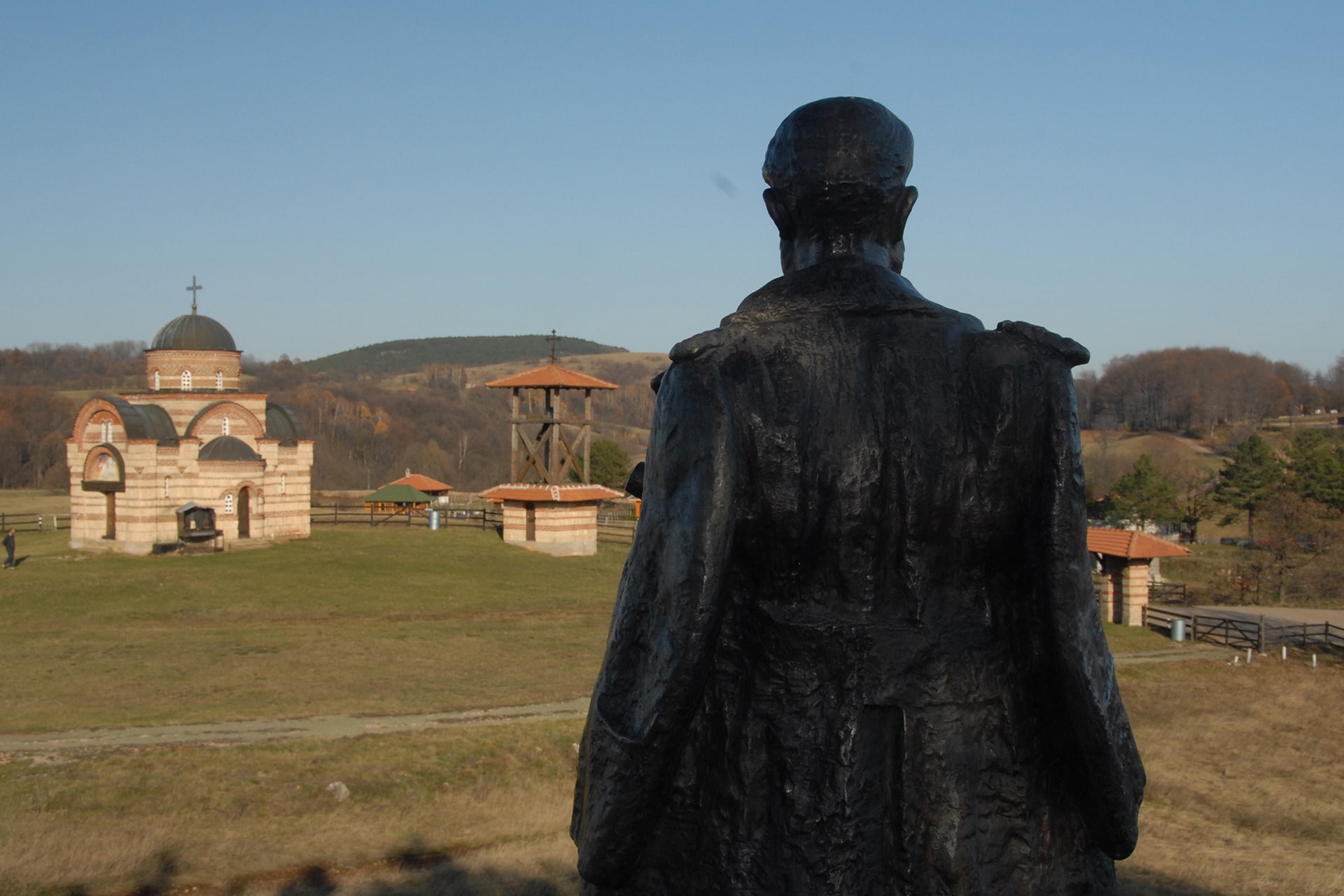
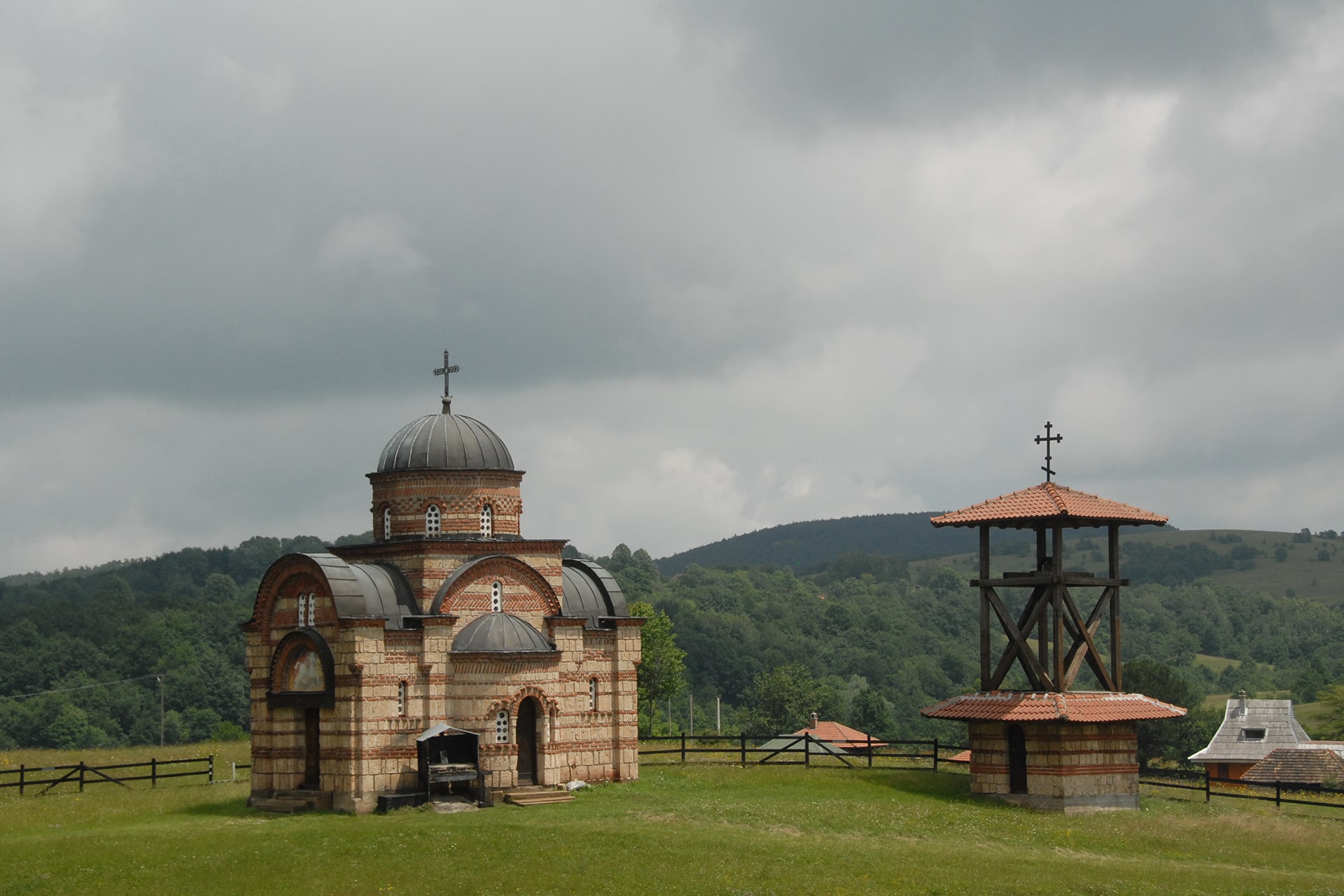
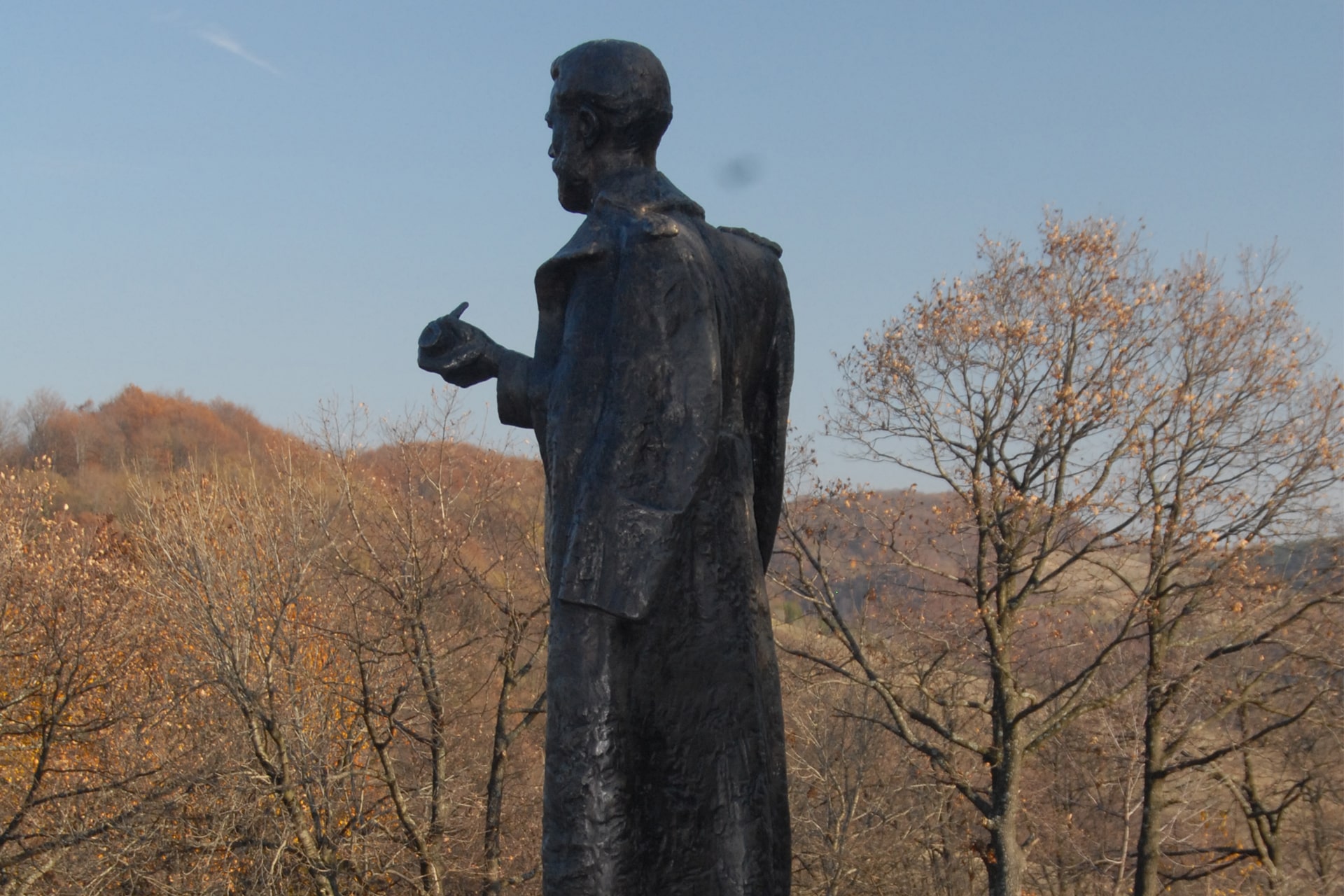
In Ravna Gora, during the 1990s, facilities were built with the aim to preserve the memory of the Yugoslav national army led by General Dragoljub Mihailović. In May 1992, a bronze monument to Draža Mihailović – a work of art of Dragan Nikolić from Belgrade – was revealed. Then in 1998, Sain George’s Church was built opposite the monument.
Ravna Gora Memorial Centre construction lasted from 1998 to 2000, following the design of professor Spasoje Krunić who was an architect. Inside the memorial centre, there is a museum, a library with a reading room, as well as a lecture and a congress hall with 200 seats. Only three memorial complexes from all over the world were added to “The Atlas of Contemporary World Architecture” for the 1998-2003 period of time – one of which is precisely Memorial Centre in Ravna Gora.